You bought the dream pergola dining set. You imagined lazy Sunday brunches under dappled shade. Then reality hit—wind gusts tipped chairs, rain pooled on the table, and your “zen retreat” became a cluttered eyesore. setting up a pergola isn’t just about dropping furniture beneath beams. Most homeowners skip the hidden variables—and pay for it in comfort, safety, and resale value.
Why 80% of Pergola Setups Fail Within a Season
They treat pergolas like patio umbrellas—just drop and dine. Wrong. A pergola is architecture, not decor. Without anchoring airflow, drainage, and sun angles into your plan, you’re inviting mildew, instability, and awkward seating angles that ruin conversation flow. And don’t get me started on those flimsy resin sets sold as “all-weather.” They bleach in 12 months.
setting up a pergola: The Pro’s Step-by-Step Blueprint
This isn’t assembly-line advice. It’s what high-end landscape architects do before their clients ever see a single chair.
Map Sun & Wind Patterns First—Not Furniture
Spend 3 days tracking where sunlight hits your pergola at 8 AM, 1 PM, and 6 PM. Note prevailing wind direction. Your dining table’s long axis should run perpendicular to afternoon sun—never parallel. Why? Glare blinds half your guests. Place seating downwind so smoke (from grills or candles) blows away, not into faces.
Anchor Like an Engineer—Not a Weekend Warrior
Patio stones crack. Grass shifts. Concrete piers settle unevenly. The only reliable foundation? Bolt your table legs directly to a leveled concrete slab—or use weighted bases rated for 75+ mph winds. Skip this, and one summer storm turns your $2,500 teak set into airborne debris.
Drainage Isn’t Optional—It’s Non-Negotiable
Even open-beam pergolas shed water during heavy rain. Slope your flooring 1/8 inch per foot toward a drain or garden bed. No slope? Water pools under chairs, warping wood and rusting metal joints within weeks. Done right, your floor dries in 20 minutes post-storm.
| Foundation Type | Cost Range | Stability Rating (1–10) | Ideal For |
|---|---|---|---|
| Bolted Concrete Slab | $800–$2,200 | 9.5 | Permanent setups, coastal areas |
| Weighted Bases (400+ lbs total) | $150–$400 | 7.0 | Rented homes, flexible layouts |
| Paver Stones (unanchored) | $300–$600 | 3.5 | Temporary use only—avoid in windy zones |
| Grass or Soil | $0 | 1.0 | Don’t even consider it |
The Industry Secret: “Negative Space” Dictates Comfort
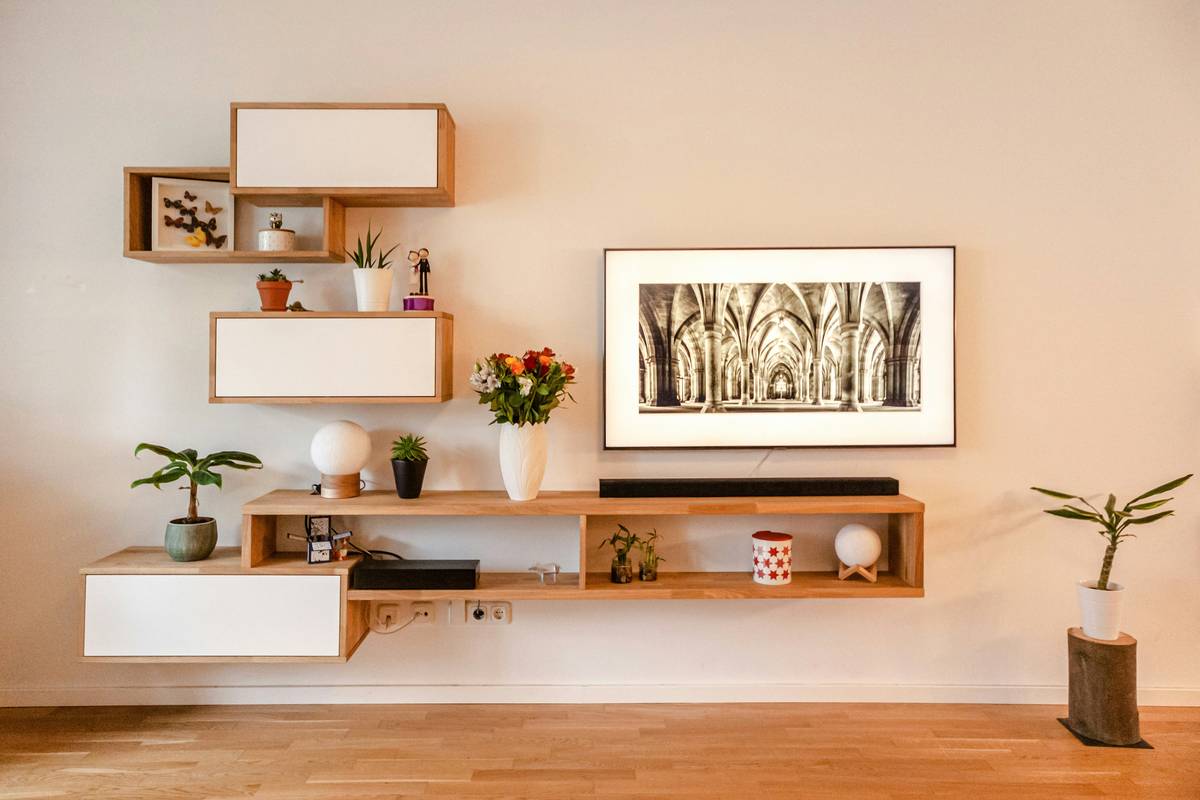
Here’s what catalogs won’t tell you: your pergola’s success hinges on empty space—not furniture density. Top designers leave 30% of the floor area completely bare. Why? It creates visual breathing room and allows natural airflow that cools without drafts. Overcrowd with side tables, planters, and benches? You trap heat and block conversation sightlines. Think minimalist frame, maximal comfort. One solid table, four ergonomic chairs, and a single low bench for overflow—that’s the golden ratio.
Frequently Asked Questions
Can I set up a pergola on grass?
No. Grass compresses unevenly, causing wobble and water retention. Use concrete, pavers, or deck boards—even temporary setups need stable, level footing.
How much clearance does a pergola dining set need?
Leave 36 inches between table edge and pergola post. This ensures chair clearance, walking space, and airflow. Tighter than that feels cramped; wider wastes valuable shade.
Do I need permits for setting up a pergola furniture?
Usually not—since you’re not building the structure itself. But if your pergola is over 10 feet tall or attached to your house, check local codes. Furniture placement rarely triggers permits.