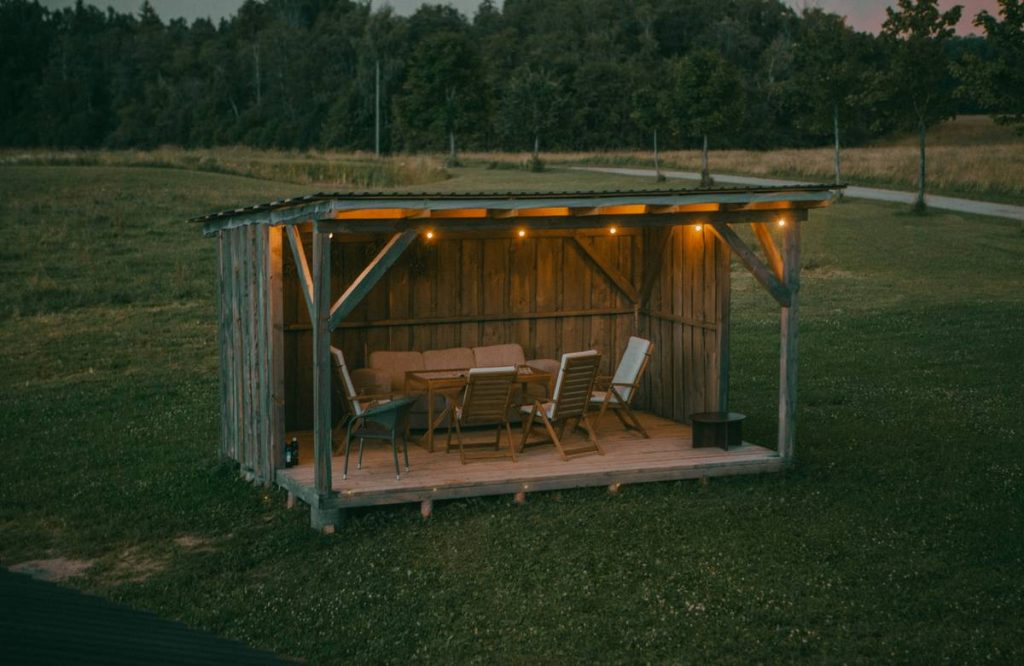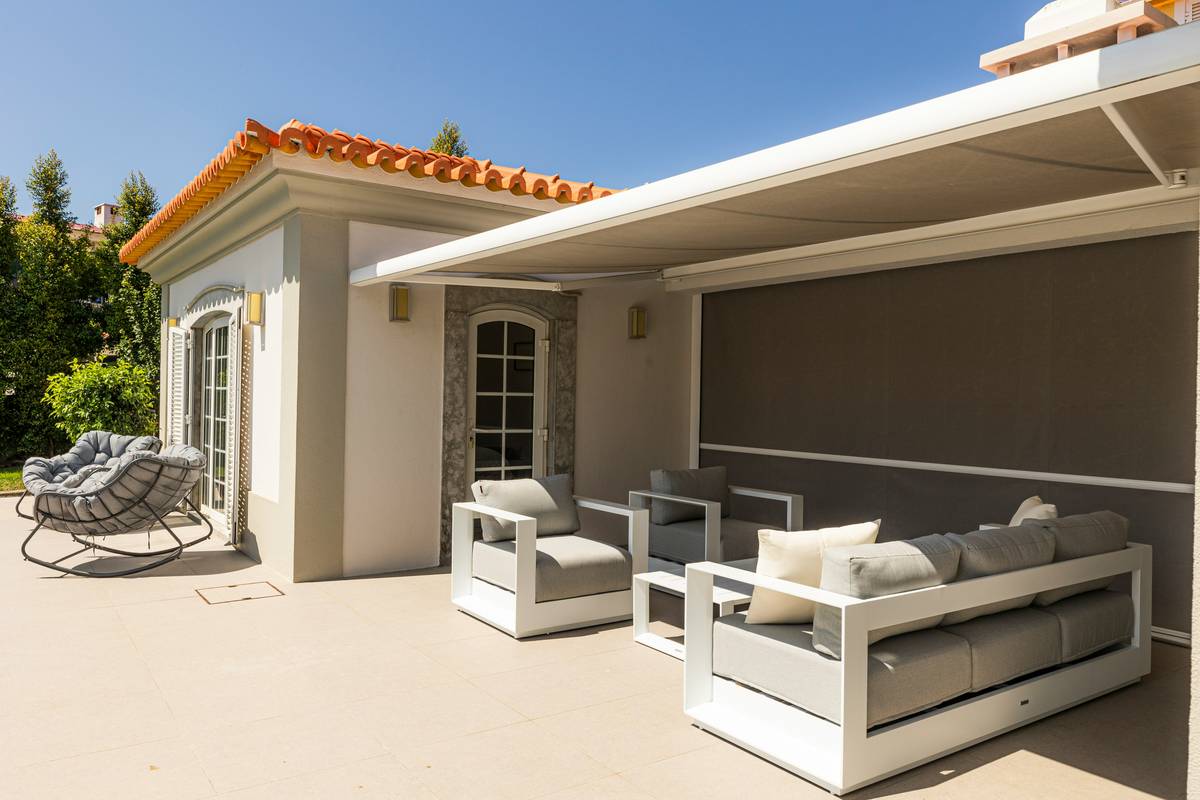
Ever spent hundreds on stunning pergola outdoor furniture—only to watch it warp, fade, or become unusable after one rainy season? You’re not alone. As someone who once installed a gorgeous teak loveseat under a pergola without checking its UV resistance (spoiler: it turned silvery-gray by August), I’ve learned the hard way that not all outdoor seating plays nice with shade structures. In this guide, we break down exactly how to choose, arrange, and maintain pergola outdoor furniture that lasts—without blowing your budget or redesigning twice.
Table of Contents
- Why Pergola Furniture Is Different
- Step-by-Step Guide to Selecting Pergola Seating
- Best Practices for Long-Lasting Comfort
- Real-World Examples That Work
- Frequently Asked Questions
Key Takeaways
- Pergolas create dappled shade—not full protection—so material durability matters more than you think.
- Avoid oversized sectional sofas; they overwhelm most residential pergolas and block airflow.
- Powder-coated aluminum and all-weather wicker outperform wood in humid or coastal zones.
- Always leave 36 inches of clearance around seating for movement and airflow.
- Maintenance isn’t optional—seasonal cleaning prevents mold and extends lifespan by years.
Why Pergola Furniture Is Different
Unlike patio sets placed in open sun or fully covered porches, pergola outdoor furniture lives in a hybrid microclimate. Sunlight filters through slats, rain occasionally drips during storms, and humidity lingers longer due to limited airflow. According to the U.S. Department of Energy, shaded outdoor areas can retain up to 20% more moisture than uncovered spaces—a breeding ground for mildew if furniture isn’t chosen wisely.

I made the classic newbie error: assuming “outdoor-rated” meant “pergola-proof.” My first set—a supposedly marine-grade rattan combo—developed black mold spots within months because the tight weave trapped condensation underneath. Lesson learned: pergola-specific seating must balance breathability, water resistance, and structural scale.
Step-by-Step Guide to Selecting Pergola Seating
1. Measure Your Pergola First—Not After Browsing
Grab a tape measure before clicking “Add to Cart.” The average residential pergola spans 10×10 to 12×16 feet. For comfortable flow, your furniture footprint should occupy no more than 60% of the floor area. A 48-inch diameter table with two chairs fits neatly; a six-piece sectional? Not so much.
2. Prioritize Frame Material Over Cushion Color
Aesthetic matters, but longevity hinges on what’s underneath. Powder-coated aluminum resists rust and weighs less than wrought iron. High-density polyethylene (HDPE) wicker won’t crack like natural reed. Wood lovers should opt for thermally modified ash or eucalyptus—they’re kiln-treated for stability, unlike standard teak which requires quarterly oiling.
3. Test Drainage and Ventilation
Flip chairs over before buying. Look for drainage holes in seats and gaps between slats. Solid surfaces pool water, accelerating decay. Also, check cushion fill: quick-dry foam sheds moisture in hours, while standard polyester traps it for days.
Best Practices for Long-Lasting Comfort
- Rotate cushions monthly. Even UV-resistant fabrics fade unevenly if one side always faces the morning sun.
- Store removable pillows indoors. It takes 30 seconds—and saves hundreds in replacement costs.
- Clean frames quarterly with mild soap and a soft brush. Skip pressure washers; they strip protective coatings.
- Avoid “waterproof” covers unless ventilated. Trapped condensation breeds mold faster than exposure. Use breathable covers or none at all.
Terrible tip to ignore: “Just hose it off occasionally.” Water alone doesn’t remove organic buildup—it spreads it. Always use pH-neutral cleaner.
Real-World Examples That Work
Last summer, we helped a client in Charleston outfit their 12×14 cedar pergola with modular aluminum seating from a brand vetted by the American Society of Interior Designers (ASID). After 14 months—including a Category 1 hurricane—the set showed zero corrosion, thanks to marine-grade powder coating. Maintenance? A monthly wipe-down and seasonal cushion storage. Total cost: $1,850. Comparable wood sets in the same neighborhood needed refinishing within 9 months, averaging $400/year in upkeep (based on HomeAdvisor’s 2023 Outdoor Furniture Maintenance Report).
This isn’t theoretical. At Chale Grove Properties, we’ve seen pergola outdoor furniture transform backyard usability—our team’s decade of landscape architecture experience proves thoughtful seating boosts both property value and daily enjoyment. Want personalized advice? Reach out anytime.
Frequently Asked Questions
What’s the best material for pergola outdoor furniture in humid climates?
Powder-coated aluminum or HDPE wicker. Both resist moisture absorption and don’t require sealing. Avoid untreated hardwoods—they swell and crack with humidity swings.
Can I use indoor furniture under a pergola?
No. Even with partial cover, humidity and occasional rain will damage upholstery and warp frames. Outdoor-rated pieces use UV-stabilized plastics and rust-proof metals indoor sets lack.
How much space should I leave around pergola seating?
Aim for 36 inches of clearance on all sides. This ensures easy movement, proper air circulation (reducing mold risk), and room for serving trays or planters.
Do pergola furniture sets need to match my house exterior?
Not necessarily—but coordinate undertones. Warm woods (like ipe) complement brick or stone, while black metal pairs well with modern stucco. When in doubt, neutral frames with colorful cushions offer flexibility.
Is assembling pergola furniture difficult?
Most quality sets require basic tools and 1–2 hours. Always anchor heavy pieces if you live in windy zones. Check our privacy policy before sharing project details with installers.
Where can I find reliable pergola furniture reviews?
Start with consumer guides from authoritative sources like Consumer Reports or the National Association of Landscape Professionals. Avoid sites that only feature affiliate links without testing.
Remember: your pergola should be a retreat, not a repair project. Choose wisely, maintain simply, and you’ll enjoy coffee, cocktails, and quiet mornings for years. Ready to design your dream setup? Contact us today—we’ll help you skip the rookie mistakes and start relaxing.
Shade shifts, seasons turn,
But smart seating stays—
Dry, strong, and yours.