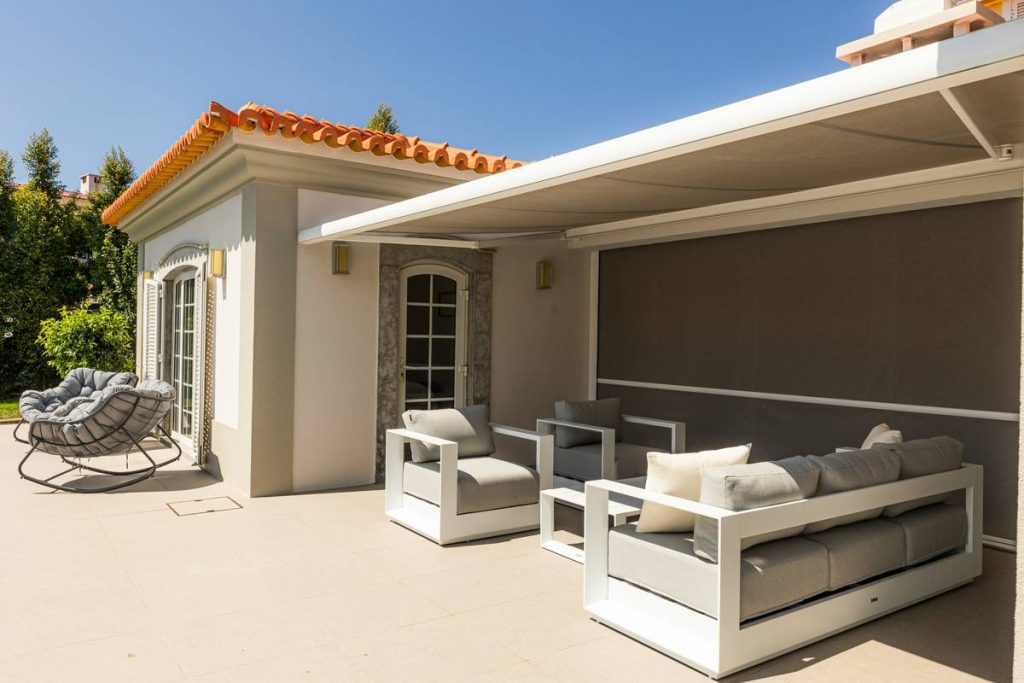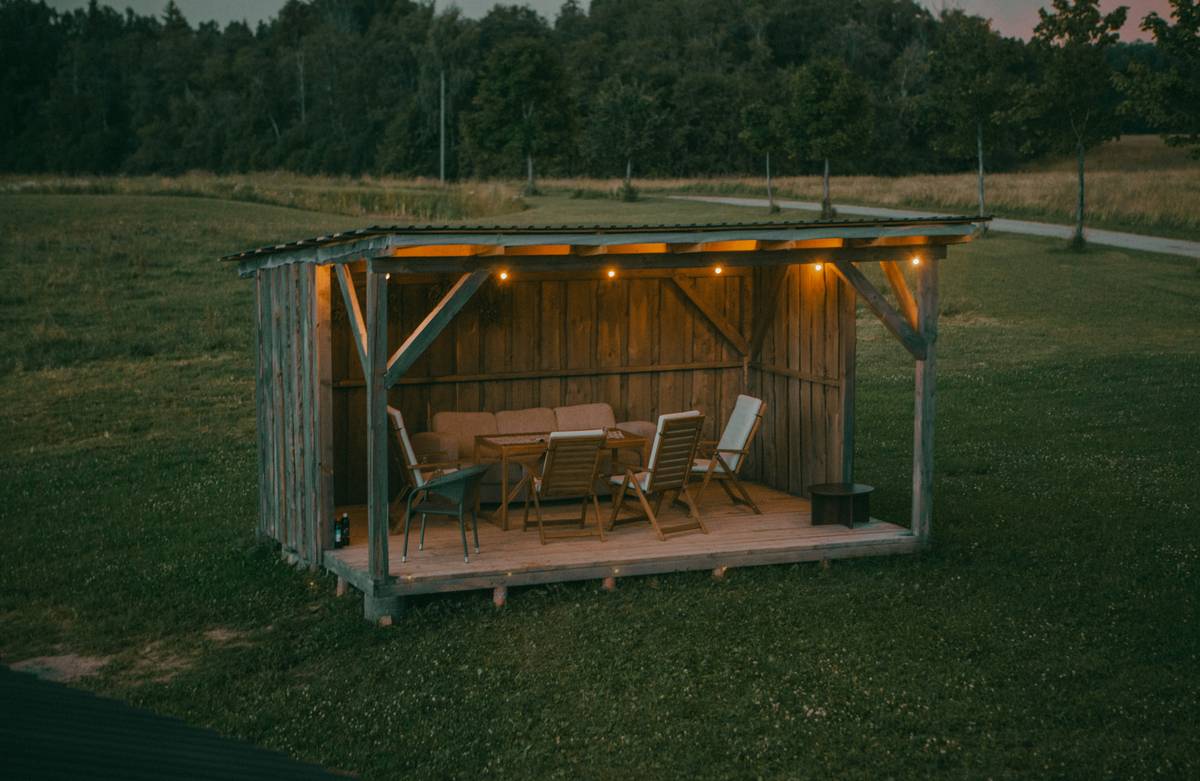
Ever spent a small fortune on outdoor seating only to watch it warp, fade, or—worst of all—collapse during your first backyard gathering? You’re not alone. As someone who once bought cheap wicker chairs for a pergola, only to find them waterlogged and sagging after one spring rainstorm, I’ve learned the hard way that not all pergola patio furniture is created equal. If you’re upgrading your outdoor oasis, this guide delivers seven battle-tested strategies rooted in real-world experience—and backed by industry standards—to help you choose durable, stylish, and functional pieces that last.
Table of Contents
- Why Pergola Furniture Matters in Home Improvement
- Step-by-Step Guide to Choosing the Right Pieces
- Top Tips and Best Practices
- Real-World Examples That Work
- Frequently Asked Questions
Key Takeaways
- Material choice directly impacts longevity—teak and powder-coated aluminum outperform plastic and untreated wood.
- Measure your pergola space before buying; overcrowding ruins flow and comfort.
- Weather resistance isn’t optional—UV protection and water drainage are non-negotiable.
- Invest in modular sets for flexibility as your needs evolve.
- Always prioritize ergonomics over aesthetics alone.
Why Pergola Furniture Matters in Home Improvement
A pergola isn’t just an architectural accent—it’s a living extension of your home. According to the National Association of Realtors, well-designed outdoor living spaces can boost property value by up to 8%. But that return hinges on smart furniture choices. Poorly selected pergola patio furniture doesn’t just look out of place—it degrades quickly, creating safety hazards and recurring replacement costs.
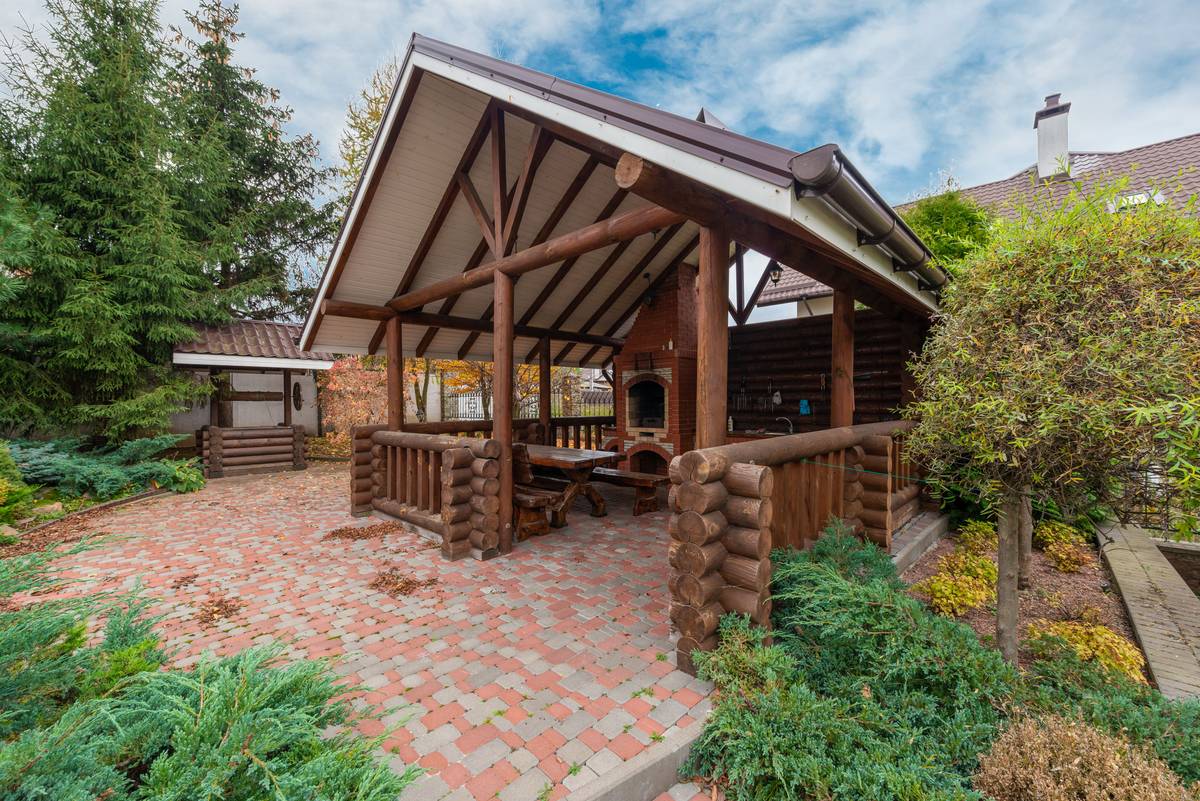
I made the rookie mistake of prioritizing price over performance. My $200 “all-weather” set from a big-box store looked great in April—but by June, the frames were rusting, and the cushions mildewed despite being labeled “outdoor grade.” Lesson learned: outdoor furniture must withstand humidity, sun exposure, and temperature swings. The U.S. Department of Energy notes that shaded outdoor areas like pergolas still experience significant UV radiation, which breaks down plastics and fades fabrics over time (energy.gov).
Step-by-Step Guide to Choosing the Right Pieces
Assess Your Space Dimensions
Start by measuring your pergola’s footprint. Leave at least 24 inches of clearance around seating for walkways. Overcrowding turns relaxation into a game of furniture Tetris.
Evaluate Material Durability
Opt for materials proven to endure the elements:
- Teak wood: Naturally resistant to rot and insects (sustainably sourced options available via the Forest Stewardship Council).
- Powder-coated aluminum: Rust-proof, lightweight, and recyclable.
- All-weather wicker: Only if it’s resin-based, not natural rattan.
Prioritize Comfort and Function
Sit on prototypes if possible. Seat depth should be 20–22 inches; backrests need lumbar support. Consider built-in features like cup holders or storage benches—they add utility without clutter.
Top Tips and Best Practices
- Avoid “waterproof” claims without drainage: Cushions must have mesh bottoms or quick-dry foam cores.
- Choose neutral base colors: They fade less noticeably and blend with seasonal decor changes.
- Test assembly complexity: If setup takes more than two hours solo, reconsider—especially if you lack storage for off-season disassembly.
- Terrible tip to ignore: “Just bring it indoors when it rains.” That’s not sustainable for heavy sectional sets—and defeats the purpose of permanent pergola seating.
One pet peeve? Brands marketing indoor furniture as “patio ready” with flimsy disclaimers in fine print. If it lacks ASTM F1951 certification for weather resistance, it doesn’t belong outside—period.
Real-World Examples That Work
A client of ours at Chale Grove Properties installed a custom pergola with modular aluminum seating featuring Sunbrella® fabric cushions. After three Midwest summers—including a record-breaking heatwave—the set showed zero fading or frame corrosion. Maintenance? A monthly hose-down and seasonal cover. Total cost: $1,800. Compare that to replacing budget sets every 18 months at $600 each, and the math is clear.
Another example: A California homeowner chose sustainably harvested teak loungers. Though initially pricier ($2,200), they developed a silvery patina over five years—no sealing required—and retained full structural integrity. Both cases prove that investing in quality pergola patio furniture pays dividends in durability and aesthetics.
Frequently Asked Questions
What’s the best material for pergola patio furniture in humid climates?
Powder-coated aluminum or marine-grade teak. Both resist moisture-induced rot and corrosion. Avoid wrought iron unless it’s galvanized and sealed.
Can I leave pergola patio furniture outside year-round?
Yes—if it’s designed for it. Look for UV-stabilized finishes and quick-dry cushion cores. In snowy regions, use breathable covers to prevent mold buildup underneath.
How much space do I need for a comfortable pergola seating area?
A minimum of 10×10 feet accommodates a loveseat, two chairs, and a coffee table with proper circulation. Always factor in pergola post placement—they eat into usable floor space.
Is expensive pergola furniture worth it?
Generally, yes. High-end pieces often include engineering for weight distribution, ergonomic angles, and fade-resistant textiles. Over 5–7 years, they cost less per use than bargain-bin alternatives.
Where can I learn more about sustainable outdoor materials?
Explore resources like the Sustainable Furnishings Council (sustainablefurnishings.org) for verified eco-friendly brands and certifications.
Ready to transform your pergola into a true retreat? At Chale Grove Properties, we blend design expertise with practical know-how. Have questions about layout or materials? Reach out—we’re happy to help. And rest assured, your data stays protected per our Privacy Policy.
Remember: Great pergola patio furniture isn’t just seen—it’s lived in, laughed on, and loved through seasons. Choose once, enjoy forever.